
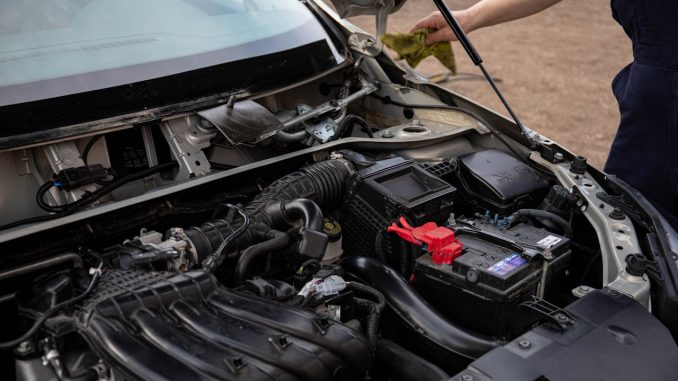
A vehicle’s battery does far more than simply start the engine. It provides the foundation for every electrical system in your vehicle, from ignition and fuel delivery to safety features, infotainment, and onboard computers. While choosing the correct battery is important, proper installation is just as critical to long-term performance and reliability. Even a high-capacity option like a series 31 battery can fail prematurely or cause electrical issues if it’s installed incorrectly.
Improper battery installation often leads to problems that don’t show up immediately. Loose connections, incorrect fitment, or poor grounding can quietly strain electrical components over time. Understanding why installation matters—and how to avoid common mistakes—helps protect your battery investment and keeps your vehicle operating safely in all conditions.
Common Installation Errors
One of the most common battery installation mistakes is improper terminal connection. Reversing the positive and negative cables can cause immediate damage to fuses, sensors, or electronic control modules. Even a brief polarity reversal can result in costly repairs, especially in modern vehicles with sensitive electronics.
Loose or improperly tightened terminals are another frequent issue. Terminals that aren’t fully secured can create intermittent electrical contact, leading to slow starts, flickering lights, or unexplained warning messages. Over time, loose connections generate heat and increase resistance, accelerating battery wear.
Incorrect battery sizing is also a major concern. Batteries are designed to fit specific trays and cable layouts. Installing the wrong group size may force cables into awkward positions or leave the battery unsecured. Even if the vehicle starts initially, improper fitment increases vibration and internal damage during driving.
Failure to clean terminals before installation is another common oversight. Corrosion buildup interferes with electrical flow, reducing charging efficiency and power delivery. Installing a new battery on corroded terminals prevents it from operating at full capacity from the start.
Skipping the battery hold-down is a mistake that often goes unnoticed. Without a proper hold-down, the battery can shift during turns, braking, or rough road conditions. Movement places stress on internal plates and cable connections, increasing the risk of premature failure.
Over-tightening terminals can be just as problematic as leaving them loose. Excessive force can crack terminal posts or damage cables, creating long-term reliability issues that may not be immediately obvious.
Securing and Connecting Batteries Correctly
Proper battery installation begins with preparation. Before installing a new battery, inspect the battery tray, cables, and terminals. Removing debris and cleaning corrosion ensures a solid electrical foundation. This step is especially important when installing commonly used batteries like a group 35 battery, which are often found in daily-driven vehicles with high electrical demands.
Correct connection order is essential for safety. When installing a battery, always connect the positive terminal first, followed by the negative terminal. This reduces the risk of accidental short circuits. When removing a battery, the negative terminal should always be disconnected first.
Securing the battery properly is just as important as connecting it. The hold-down bracket or clamp keeps the battery firmly in place, preventing movement and vibration. A securely mounted battery protects internal components and ensures consistent electrical contact during driving.
Terminal tightness should be firm but controlled. The goal is to prevent movement without applying excessive force. A properly tightened terminal should not rotate or lift when gently tugged by hand.
Battery alignment also plays a role in performance. The battery should sit flat in the tray without tilting. Misalignment strains cables and may cause uneven wear on terminal connections over time.
Larger batteries often require extra attention during installation. Options such as a group 48 battery are heavier and more powerful, making proper seating and secure mounting even more critical. Improper installation of larger batteries increases the risk of internal plate damage and electrical inconsistency.
After installation, a system check helps confirm success. Starting the vehicle, observing dashboard lights, and testing electrical accessories ensures the battery is delivering stable power. Any warning indicators or unusual behavior should be addressed immediately to prevent long-term issues.
Conclusion
Proper battery installation plays a vital role in vehicle reliability, electrical performance, and battery lifespan. Avoiding common installation errors—such as loose terminals, improper fitment, and unsecured mounting—helps protect both the battery and surrounding components. Taking the time to connect and secure a battery correctly ensures consistent power delivery, reduces strain on electrical systems, and prevents premature failure. Whether replacing a battery as routine maintenance or after a failure, careful installation ensures dependable starts and long-term confidence every time you turn the key.
Photo by Sergey Meshkov
Facebook Comments